
© Copyright 2023 – allabouttrh.com
Author
The World of Wild-type Betta Fish and Their Natural Habits
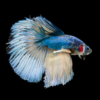
The World of Wild-type Betta Fish and Their Natural Habits
When people think of betta fish, they often picture brightly colored fish with long, flowing fins in small tanks. While domestic bettas are known for their vibrant colors, they look very different from the wild-type Betta fish. These wild types are the original forms of bettas that evolved in Southeast Asia, living in natural waters and adapting to their surroundings over time. Learning about the wild-type Betta fish helps us appreciate their natural beauty, behavior, and the environments they depend on for survival.
The Natural Habitat of Wild-type Betta Fish
Wild-type betta fish are commonly found in slow-moving waters across Thailand, Cambodia, and Indonesia. Unlike fish in home aquariums, these bettas live in shallow ponds, rice paddies, and streams. Their environment is often filled with plants, leaves, and branches, providing both food and protection. The water is warm, slightly acidic, and may have low oxygen levels, which is why wild-type betta fish have developed the ability to breathe air from the surface. This adaptation allows them to survive in waters that other fish might find challenging.
The seasonal changes in their habitats also shape the way Betta fish live. During the rainy season, water levels rise and create new spaces for exploration and feeding. In the dry season, shallow waters force the fish to be more alert and adaptable. This natural environment encourages survival skills that domestic bettas may not need to develop.
Behavior and Lifestyle of Wild-type Betta Fish
Betta fish wild type are often described as territorial, but this is only part of their behavior. Male bettas do defend small territories, but fighting is not constant. In the wild, energy is valuable, and injury can be fatal. Instead, Betta fish wild type rely on visual displays and movements to establish boundaries without unnecessary risk.
These fish are naturally curious. They explore their environment, hide among plants, and watch for prey. Their diet in the wild includes insects, larvae, and small organisms found in their waters. Hunting keeps them active and ensures they get proper nutrition. Another remarkable behavior is their breeding process. Males build bubble nests near the water’s surface, often under leaves or plant cover, and protect the eggs until they hatch. This demonstrates their instincts for survival and care.
Appearance of Betta Fish Wild Type
Wild-type betta fish look very different from domestic bettas. Instead of bright, flashy colors, they usually have earthy tones that help them blend into their surroundings. Their fins are shorter, and their body shapes are adapted for survival rather than display. This natural appearance allows them to hide from predators and move easily through thick vegetation.
The contrast between wild types and domestic bettas highlights the role of selective breeding. Domestic bettas have been bred for vibrant colors and long fins, while wild-type betta fish remain close to their natural form. Observing their patterns and colors provides a glimpse into the original species before human intervention.
Importance of Betta Fish Wild Type
Betta fish wild types are essential for understanding the origins of domestic bettas and the ecosystems they inhabit. Their natural habitats are sensitive and often threatened by human activity such as agriculture, construction, and pollution. Protecting these habitats is crucial to maintaining wild populations and preserving biodiversity.
Understanding the wild type of Betta fish also improves fishkeeping at home. By learning about their natural behavior, diet, and environment, hobbyists can create setups that mimic nature, providing fish with a healthier and more stimulating environment. Collections focused on wild types, like those available on Tropicflow, allow enthusiasts to enjoy fish that reflect the true form of bettas while supporting ethical sourcing.
Creating a Natural Home for Wild-type Betta Fish
Recreating aspects of the wild helps keep Betta fish wild-type healthy in captivity. Warm water, plants, hiding spots, and gentle water flow make tanks feel closer to their natural habitat. A more natural setup allows fish to explore, rest, and interact with their environment, encouraging natural behavior.
Respecting the instincts of Betta fish, wild typ,e helps reduce stress and allows their personalities to shine. Instead of swimming aimlessly, they can display curiosity, hunt for small foods, and use hiding places, just like in the wild. This creates a more engaging and rewarding experience for fish keepers.
The Rising Popularity of Betta Fish Wild Type
Interest in Betta fish wild type has grown among hobbyists who want to see the original species instead of only domestic variants. People are becoming more aware of natural patterns, subtle colors, and true behavior. This trend encourages responsible fish keeping and a deeper understanding of the species.
Wild collections allow enthusiasts to experience bettas that are rarely available in standard pet stores. They provide insight into natural life and help fish keepers make informed choices about the fish they buy. Supporting collections that focus on wild types promotes ethical practices and conservation efforts, benefiting both the fish and the environment.
Conservation and Responsible Practices
Wild-type betta fish rely on clean water, plants, and natural food sources for survival. Human activity can easily disrupt these delicate systems, making conservation essential. Supporting responsible collections reduces pressure on wild populations and encourages sustainable practices in the hobby.
Being informed about the wild type before acquiring them helps ensure that the fish are cared for properly and ethically. Respecting their natural needs allows hobbyists to enjoy these fish while contributing to their preservation in the wild. Collections like the one on Tropicflow provide a responsible way to explore wild types while protecting their origins.
Final Thoughts on Betta Fish Wild Type
Wild-type betta fish offer a glimpse into the natural world of these fascinating creatures. They are resilient, adaptable, and shaped by their environment. Their appearance, behavior, and survival strategies reflect life outside of domestic tanks. Learning about Betta fish wild type encourages better fish keeping, a deeper appreciation for nature, and more responsible choices for enthusiasts.
By focusing on betta fish wild type, hobbyists can enjoy a connection to the original species, understand their natural behaviors, and create environments that support their well-being. This balance between enjoyment and respect for nature makes the hobby more meaningful and helps ensure the survival of wild betta populations.
