
 Roxanne
Rob Cesternino is finally clearing up one of the biggest questions fans have about The Traitors — and his answer sheds light on how the game can quietly unravel from the inside.
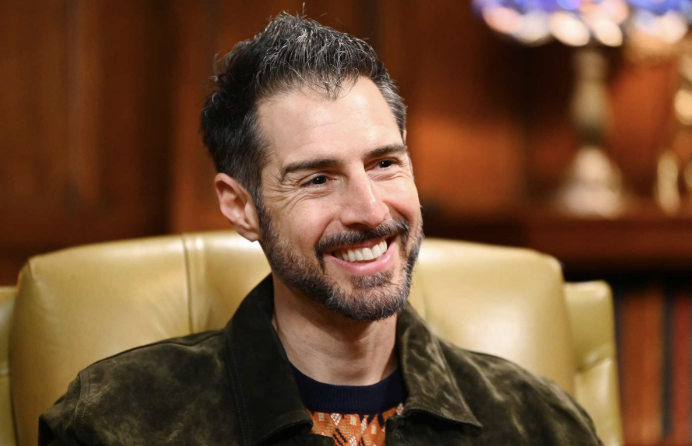
While speaking exclusively with us on the AllAboutTRH Podcast, the The Traitors season 4 contestant explained what production does, and does not, allow Traitors to do once they’re banished.
When asked whether production explicitly forbids Traitors from revealing who else is secretly working with them, Rob confirmed that rule is very much in place.
“Yeah, that’s part of the rules of the show. You can’t,” Rob told us. “If you’re a traitor, you can’t say, and by the way, you got me. But also, Roxanne’s a traitor too.”
While the rule seems straightforward on paper, Rob explained that things get murkier in practice — and that’s where Traitors often end up sabotaging themselves.
“You know you’re not allowed to do that. That’s in the rules,” he said. “I do think that there are ways that people give it away and then can really end up leading the Faithful to more Traitors.”
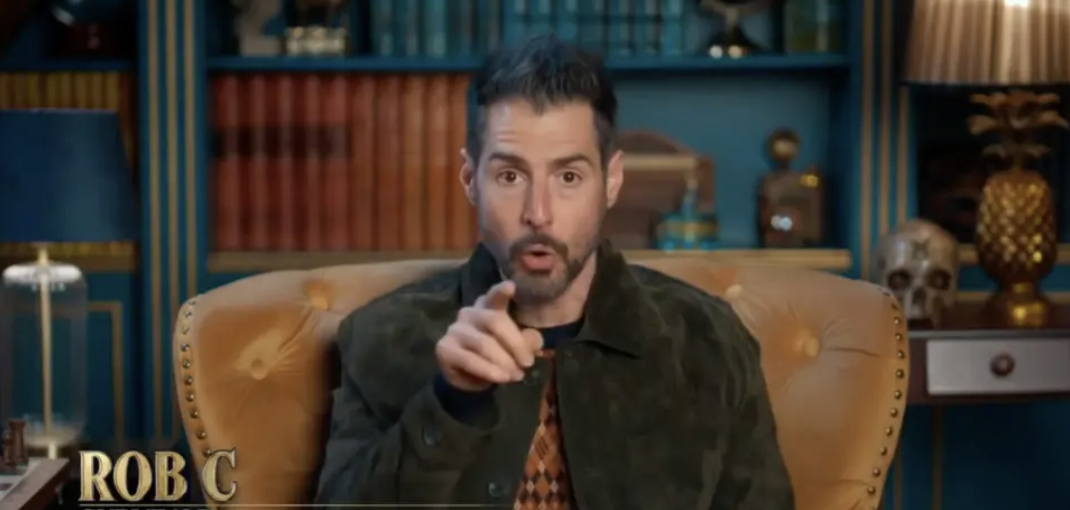
According to Cesternino, while outright naming another Traitor is off-limits, subtle behavior at the round table can speak volumes — especially when emotions come into play.
“I don’t think you can explicitly say,” he explained. “But when we go to the round table and where, you know, we’re all Traitors and Shantel is voting for me and like, I’m voting for like, ‘Hey Shantel, didn’t think you would do this to me.’ You can say that, you know?”
Cesternino said moments like that often set off alarm bells for the Faithful watching closely.
“Then everybody is like, ‘Wow, why did Rob say that?’” he continued.
Those reactions, Cesternino explained, don’t happen in a vacuum. Faithful players pay close attention not just to who gets banished — but how they behaved right before it happened.
“So I do think that people take a lot of how the Traitors voted before they get out into account,” Rob said. “That’s where the Traitors kind of self-destruct sometimes.”
For longtime reality-TV fans, Rob’s insight tracks perfectly with what viewers have seen across seasons: Traitors rarely go down quietly, and emotional slips often do more damage than outright accusations ever could.
It’s also a reminder of why Rob — a veteran of strategic gameplay from his time on Survivor — was such a compelling presence on The Traitors. Even when following the rules, the psychological warfare never stops.
And as Rob made clear, sometimes saying less is the most dangerous move of all.
Listen to our full interview with Rob wherever you get your podcasts
